
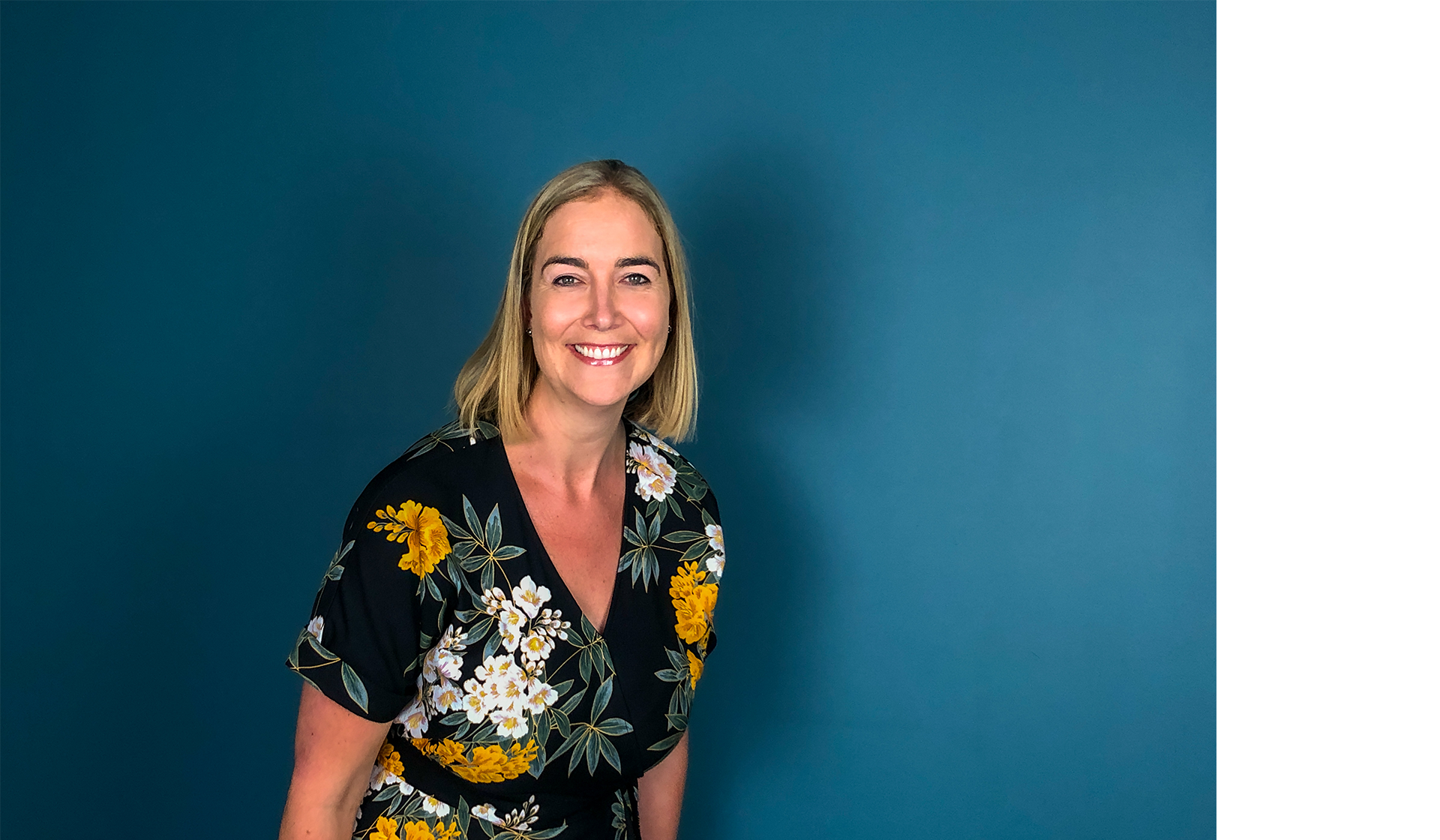
From Curiosity to Leadership: Angela Hands on Career Pivots, Self-Advocacy, and Finding Her Own Path
Some careers follow a plan. Others take shape as you go, through decisions you didn’t expect to make and opportunities you weren’t sure you were ready for.
Angela Hands has built her career across countries, industries, and leadership roles. She served as Global CEO and Board Director at Development Beyond Learning, a learning and development company, after first establishing and growing the Australian operation of a London-based energy events and training business as Managing Director Asia Pacific. Today, she founded ExecuStrive, where she works with founders, CEOs, and business leaders as an executive coach and business advisor.
Her journey has taken her from the male-dominated oil and gas industry to leading a business through the uncertainty of COVID. Along the way, she kept learning what interested her, where she could contribute, and what she wanted her work to mean.
In our conversation, one theme came up repeatedly: curiosity. For Angela, it has been a way to explore new opportunities and question the assumptions that can hold people back.
🌍 A Two-Year Plan That Became Eight
Angela grew up in New Zealand, where travelling, living and working overseas for a few years is a cultural rite of passage of early adulthood. She went to the UK expecting a two-year experience. It turned into nearly eight years.
Travel was already something she valued. She enjoyed experiencing new cultures and putting herself in different environments. Those experiences also opened up career opportunities she hadn’t necessarily planned for.
Angela says she has always been drawn to leadership, even before she fully recognized it in herself.
“I’ve always kind of had that innate being of wanting to lead,”
she told me, describing her interest in leading teams and organizations.
She doesn’t claim to have always known exactly how to do it. What mattered was believing she could work things out.
“I’ve never been confident that I’ve got all the right skills to be able to lead. Having confidence in my ability that I can navigate it and figure it out in the end.”
That distinction matters. You can be unsure whether you have every skill a role requires and still trust yourself to learn what you need along the way.
As Angela moved between roles and industries, she began to notice a common thread. Much of her work involved strategic innovation and change. But strategy alone wasn’t enough. Business decisions might begin with a plan or a technical problem, yet their success often depended on the people involved.
🧭 Building Credibility in a Male-Dominated Industry
Early in her career, Angela worked in the oil and gas industry in the UK. As a woman in her twenties, and someone from New Zealand entering an unfamiliar market, she felt pressure to prove herself.
“I had to prove myself a lot,” she said. “I did feel like I had a pressure to prove my knowledge, to prove what I knew.”
She built relationships with influential people in the industry while continuing to learn and demonstrate her knowledge. Some of the founders and business owners she worked with became important supporters. Angela never formally labelled them mentors, but they championed her and trusted her abilities.
She remembered one founder who was considering government-related work in China. Angela had researched the subject, and he asked what she thought the company should do.
That detail matters. He wasn’t asking for her opinion simply to make her feel included. She had done the work and developed a considered view. Her preparation gave him a reason to trust her judgment and involve her in the decision.
Angela also noticed that the people who supported her didn’t make gender a defining part of how they worked with her. They focused on what she could bring to the business.
Her experience isn’t a suggestion that women should have to work harder to prove themselves. It shows how much difference it makes when people in positions of influence recognize someone’s contribution and give them the opportunity to grow.
You cannot control whether every person recognizes your abilities. You can keep building your knowledge, develop relationships, and learn to make your perspective heard. And when someone gives you a chance, you can use it to show what you bring.
👩💼 Becoming a CEO Just Before COVID
Angela had been Global CEO of Development Beyond Learning for around six months when COVID hit. The company had been expanding globally, and she had been travelling extensively. Then everything changed.
“I went from travelling all over the world to then running the business from my bedroom.”
She was leading a business through an unpredictable period, while people around her still expected her to know what to do and looked to her for guidance.
Angela described one of the biggest lessons from that time:
“It can be very lonely at the top, and people are expecting you to have all the answers.”
She had to learn that she couldn’t manage every challenge in isolation. She began thinking more deliberately about the people around her and the support she needed as her responsibilities changed.
“I learned that it was okay not to have all the answers,” she said.
Being more vulnerable helped her find greater support and understanding from her team and fellow leaders. The experience challenged the idea that a senior leader must always appear certain, even when the situation itself is uncertain.
🌱 From Leading a Business to Coaching Leaders
Working across different industries, Angela became increasingly passionate about how organizations achieve their goals through their people.
“Throughout my career, I wanted to work with organisations who understood the importance of investing in their most expensive asset, which is their people”
That interest eventually led her toward executive coaching. Today, through ExecuStrive, she works with founders, CEOs, executives, and business leaders, drawing on her experience in commercial leadership and organizational change.
So what do leaders actually struggle with when they seek coaching?
Angela sees a recurring pattern. The challenge is rarely a lack of capability. More often, leaders are relying on habits and ways of working that no longer fit the responsibilities they have today.
For experienced leaders, this can mean dealing with the isolation of being at the top or rethinking their professional identity and the kind of leader they want to become. For newly promoted leaders, it often means making a significant shift: moving from functional or technical expertise to making decisions that affect the entire organization.
Angela sees coaching as a confidential space where leaders can step back, think clearly, and examine what they might not be seeing.
One misconception she encounters is that coaching is meant for leaders who are struggling or have something to fix.
She sees it differently.
“Executive coaching is an edge,” she explains. “It is a safe space to think, be challenged, and explore without judgment.”
It ultimately answers the question: “What am I not seeing clearly enough?”
She compares it to an elite athlete working with a performance coach. The athlete already knows how to play the game. The coach helps refine their performance, identify blind spots, and mentally prepare for the next level.
When working with leaders, Angela encourages them to zoom out from the immediate noise and ask themselves three questions:
If you knew you couldn’t fail, what would you do? This breaks the paralysis of decision-making and lack of confidence.
What do you already know that you can trust? This grounds leaders in their own wisdom when everything around them feels uncertain.
What would your courageous self do next? This immediately shifts them from overthinking into bold, intentional action.
The questions are simple, but they can help leaders move past hesitation, reconnect with their own judgment, and consider a different way forward.
She shared an example of a senior executive who came into a coaching session frustrated after a strategy had failed to execute as planned. The leader was angry with themselves, and their confidence had taken a hit.
The initial intention was to work through the strategy and find a solution. However, Angela first made space for the leader to process what had happened and acknowledge their frustration.
Once they had worked through those emotions, the conversation completely changed. The leader moved from believing that the project could not be salvaged to looking at the situation more objectively. With renewed energy, they were able to identify a completely new and creative path forward to salvage the project.
Sometimes, the way forward isn’t immediately obvious because we’re too caught up in the frustration of where we are. Stepping back, addressing the emotions can help us see possibilities we couldn’t see before.
🪞 Self-Advocacy: Could She Have Got There Sooner?
When I asked Angela whether she would do anything differently if she could revisit her career, she didn’t dismiss the question.
“I feel I was good at championing myself,” she said, “but I think there would have been opportunities to advocate for myself more.”
She sometimes wonders whether she could have reached the CEO role sooner if she had pushed harder for opportunities.
She also questioned the expectations we attach to senior roles: what age a CEO should be, what level of experience they should have, and when someone is supposedly ready.
Those expectations can be powerful, especially when we start applying them to ourselves. We might decide we’re too young, lack enough experience, or shouldn’t approach someone at a more senior level. Sometimes, we rule ourselves out before anyone else has had the chance to do so.
Angela believes it’s important to stay curious about the information we receive.
“Not all the information we receive is 100% right,” she explained. She sees feedback as a data point to consider, rather than something that must automatically be accepted as fact.
Her approach is to ask questions, consider what’s useful, and decide what to do next. Experience and preparation matter, but so does examining where our assumptions about readiness come from.
We can’t control every opinion someone has of us. We can decide whether to accept it without question.
✍️ Imposter Feelings Don’t Always Mean You’re Not Ready
Angela has experienced setbacks and moments of uncertainty, too. She doesn’t see those feelings as proof that someone is incapable of doing the job.
She offered a different way to look at imposter syndrome:
“It’s basically a signal to recognise you’re stretching yourself into a new territory or a new skill or a new area that you’re not so confident in.”
The point isn’t to ignore self-doubt or pretend every opportunity is right for you. It’s to recognize what the feeling might be telling you. Are you missing an important skill, or are you simply doing something unfamiliar?
Instead of automatically stepping back, you can work out what you need to learn, who might help you, and whether the opportunity is worth pursuing.
Angela also believes that reflecting on your values and purpose can help you make career decisions. It took her more than ten years into her career to understand how important those questions were to her.
Looking back, she sees value in regularly asking yourself what matters, what motivates you, and whether the work you’re doing connects with those things. You don’t have to figure it all out at the beginning, but it’s worth checking in with yourself as your career evolves.
⚡ Rapid Fire: Angela Hands, Beyond the Title
A book that influenced your thinking
Originals by Adam Grant. Angela read it while she was a CEO, and it helped her think about what might come next. She described it as a book that was “totally up my alley,” particularly for its ideas about examining new ideas and encouraging creativity without risking everything.
Your go-to stress reliever
Exercise, especially a coastal walk by the ocean.
“My biggest stress reliever is normally something that’s all about me, and it normally involves exercise.”
She described the ocean as her happy place, somewhere she can decompress and recharge.
A leader you admire
Angela spoke about Jacinda Ardern, New Zealand’s former prime minister. She connected with Ardern’s emphasis on putting people first, showing care, and bringing vulnerability into leadership.
What’s next for you?
Angela is still working that out. She wants to help people navigate a world that’s changing quickly, but she hasn’t decided exactly what that will look like.
“I really want to believe that as a global society we can do good and be better,” she said.
🕊️ Staying Open to What Comes Next
Angela’s career has taken her from New Zealand to the UK and Australia, through different industries, into the CEO role, and eventually into coaching. There wasn’t a detailed plan connecting every step.
She kept learning, built relationships with people who trusted her, and reflected on what mattered to her. As a leader, she learned that she didn’t need to have all the answers. As a coach, she now helps other leaders step back, question their assumptions, and see possibilities they might have missed.
Her story raises a question for anyone thinking about their next career move: are you waiting until you feel completely ready, or are you willing to explore what you could learn?
Because sometimes the next step isn’t about having a better plan. It’s about asking a better question, challenging an assumption, and giving yourself the chance to find out.
Connect with Angela on LinkedIn – https://www.linkedin.com/in/angelahands/
If you are looking for an executive coach checkout –https://www.linkedin.com/company/execustrive/